
Promotion across the channels your customers already use — measured in real time, and adjusted on what the data actually says.
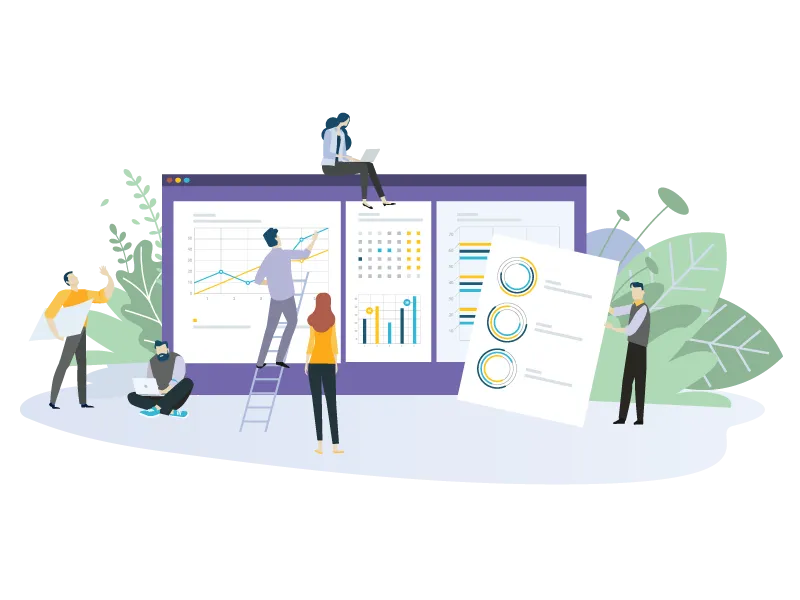
Digital marketing is the promotion of products and services through electronic media, mainly the internet — in practice, all of your online marketing efforts. Many businesses have already experienced its advantages over traditional marketing: it uses channels and methods that give a proper understanding of the real-time picture, so organisations can analyse campaigns and act accordingly.
Regardless of what your company sells, digital marketing can work effectively for any industry, and you can see results much faster than with offline marketing. The interactive nature of these strategies helps companies grow their client base in a short span of time.
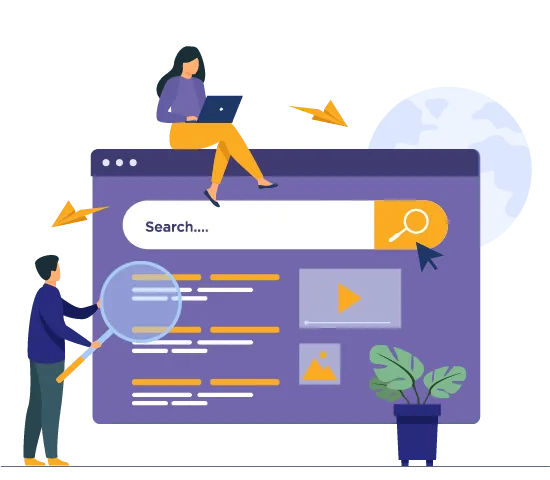
Today’s consumers rely on search engines to find everything from restaurant recommendations to B2B software providers. Whatever your business offers, your audience is likely searching for products or services like yours on Google — and if you want to attract them to your site, you need search engine optimisation.
SEO matters for searchability and visibility, but it offers far more real value than that.
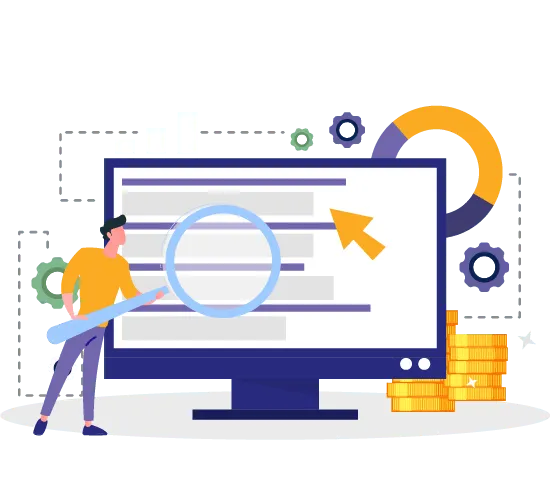
In simple terms, every time a user clicks your advertised ad you pay for that click. It is the quickest way to gain traffic to your website. Traffic received this way is not considered organic — but PPC advertising remains important, because SEO takes time to bring organic traffic in.
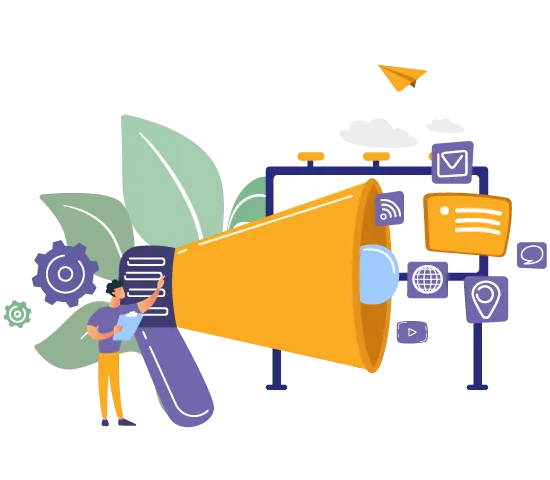
One of the most effective forms of digital marketing is social media. The change it has brought to business marketing is incomparable — with the ever-growing number of users worldwide, the exposure your business can get is considerable. And with behavioural data behind you, you are not throwing darts in the dark.
Social media lets you talk about your products and services while staying in touch with potential customers on a platform where they already spend the majority of their time. Beyond customer service, you can run ad campaigns and contests, and create engaging content.
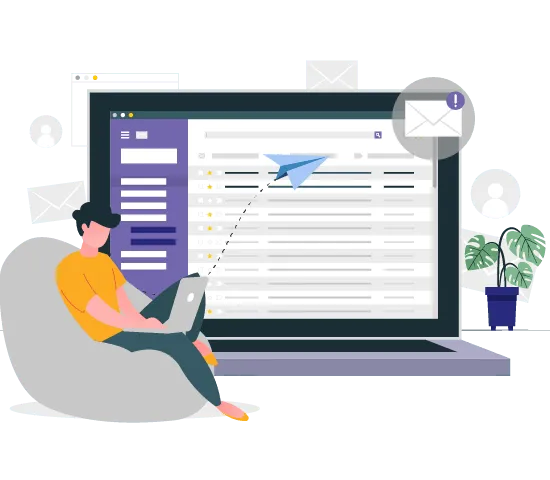
According to Forbes, an average person checks their mail 15 times a day — and the number could be higher. Email marketing may not be the primary source of fresh leads, but it is used as a form of communication with customers who liked your services or products and chose to subscribe to your updates.
Your chances of making loyal customers who keep repurchasing increase through email marketing. Most businesses use it to send weekly newsletters, promotional offers and updates about their products and services.
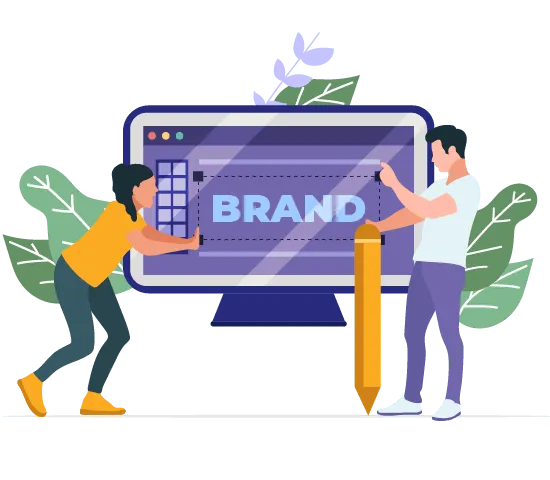
Branding is one of the most important aspects of a successful business. It is the first impression you give your audience and what makes you stand out from your competition — a direct reflection of what your customers should expect from you.
It is your voice, your mission, your marketing materials, your packaging, your website. It is the reason people choose you over others. Branding is not just a logo: for small businesses especially, it is what attracts and retains loyal customers.
Book a free 30-minute consultation. You will leave with a rough timeline, a team shape and an honest view of what it takes.